
 Article
 Brochure
 Executive Resource
 Insight Hub
 Ext. Publication
 Video
VideoHow Small Modular Reactors Could Influence Commercial Real Estate Development

Never miss a thing.
Sign up to receive our insights newsletter.
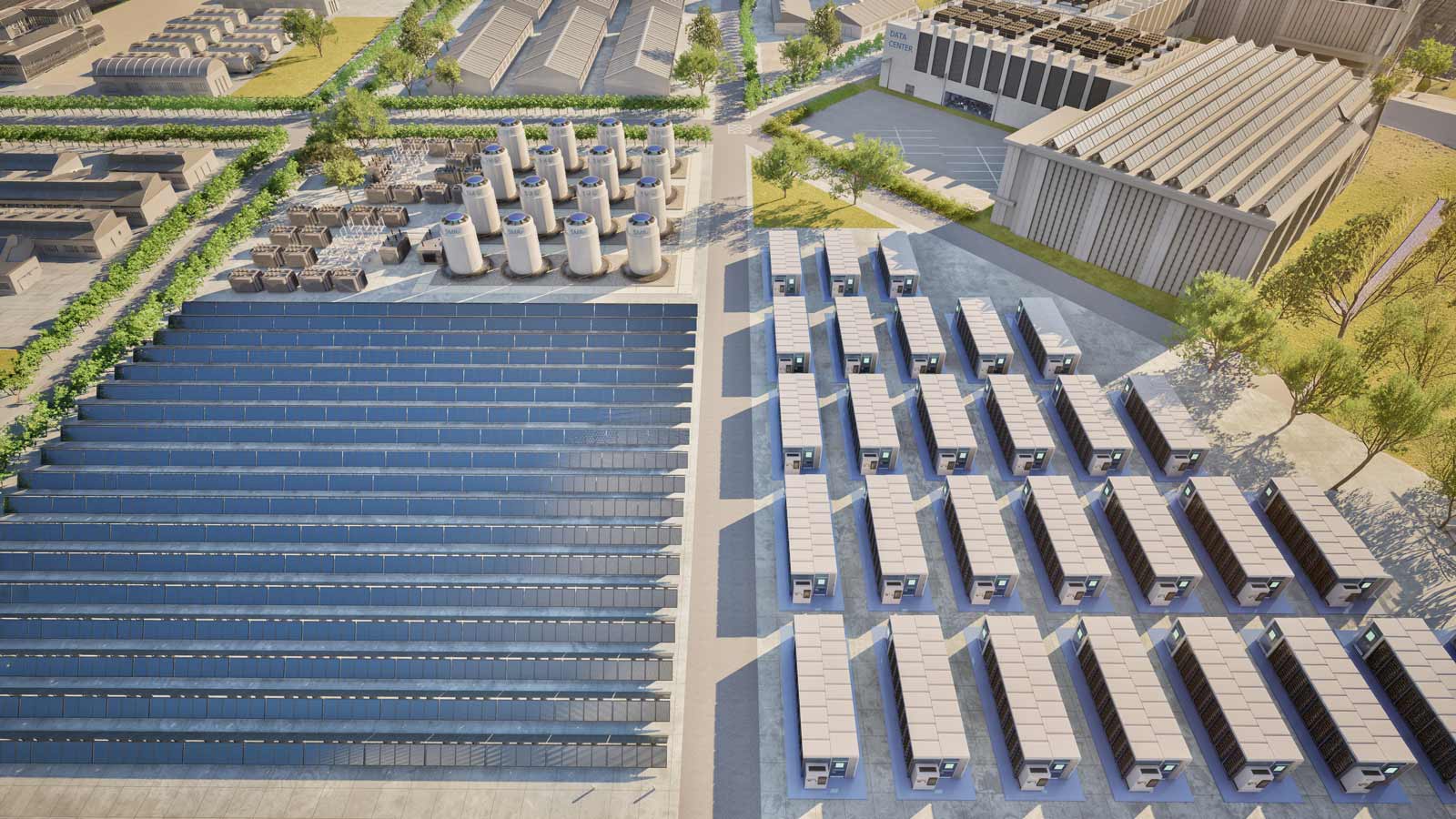
For decades, electricity has been something commercial real estate developers assumed would be available. If the land was right, the workforce was available and the economics worked, power could usually be delivered quickly and affordably. This assumption is beginning to change.
Growing demand for data centers and advanced manufacturing is placing unprecedented pressure on the electric grid, forcing utilities, developers and investors to rethink how future projects will be powered. As the search for cost-effective, reliable, around-the-clock electricity intensifies, one technology that once seemed decades away has entered the conversation: small modular reactors, often referred to as SMRs.
While commercial SMRs are not yet powering U.S. developments, they are increasingly viewed as one potential solution to a growing infrastructure challenge. Understanding why they’re attracting attention can help real estate leaders better evaluate how future energy infrastructure may influence commercial development opportunities, investment decisions and site selection.
Questions to Consider
1. What are small modular reactors?
Small modular reactors are advanced nuclear reactors designed to generate electricity at a smaller scale than traditional nuclear power plants. Their modular design allows major components to be manufactured in factories and assembled onsite, rather than constructed entirely in the field. The approach is intended to make nuclear generation more scalable, with the flexibility to add capacity over time as electricity demand grows.
2. Could an SMR eventually power data centers and other developments?
Potentially, yes, but it depends on the size of both the reactor and the data center. While commercial SMRs are not yet powering U.S. data centers, they are being evaluated as one possible way to provide the reliable, around-the-clock electricity that future data centers and other energy-intensive developments may require. As artificial intelligence continues to increase electricity demand, utilities, technology companies and developers are exploring a range of generation sources, including natural gas, renewable energy and emerging technologies like SMRs.
3. If SMRs hold so much promise, what is standing in the way?
Commercial adoption is still several years away because SMRs must demonstrate that they can be built safely, economically and at scale. While the technology continues to advance, widespread deployment will depend on project economics, permitting, financing, regulatory approvals and public acceptance. Developers and investors also continue to evaluate important considerations surrounding nuclear waste management, physical security, cybersecurity and long-term operations.
Where SMRs Could Have the Greatest Impact
Although commercial SMRs are still years away from widespread deployment, organizations are already evaluating where the technology could have the greatest impact. Much of today’s conversation centers on data centers because of their extraordinary electricity requirements. Some facilities require hundreds of megawatts of continuous power, making reliable electricity one of the most important factors in long-term planning.
The potential applications extend well beyond data centers, however. As the technology matures, proponents envision SMRs supporting advanced manufacturing campuses, industrial parks, hospitals, military installations, ports and remote communities where dependable electricity is essential. Some have even suggested that future SMRs could help power master-planned communities or residential neighborhoods, though that remains a longer-term possibility.
As electricity demand continues to rise, future development may increasingly follow locations that can provide reliable, scalable energy infrastructure.
When Power Shapes Development Decisions
Consider a developer evaluating two sites for a future technology campus. Both offer available land, transportation access and competitive tax incentives. Both have access to skilled labor. The difference is power.
One site can secure the electricity needed to support construction and future expansion within a reasonable timeframe. The other requires years of transmission upgrades or additional generation capacity before enough power becomes available. Increasingly, that distinction could influence which project moves forward first.
For decades, developers generally assumed that power would follow development. Today, development may increasingly follow power. That shift has implications beyond data centers. Utility capacity, infrastructure resilience and long-term energy planning are becoming more prominent considerations during due diligence, investment analysis and site selection, particularly for projects with significant electricity requirements.
Whether that future power ultimately comes from traditional generation, renewable energy, battery storage or SMRs, the underlying business question remains the same: Can the site support long-term operational needs?
What Commercial Real Estate Leaders Should Watch
SMRs remain an emerging technology, and several questions must still be addressed before commercial deployment becomes widespread. Project economics, permitting, financing, insurance, regulatory oversight and public acceptance will all influence how quickly the technology evolves. Developers and investors will also continue evaluating issues such as physical security, cybersecurity, spent fuel management and long-term operating costs.
Those uncertainties should not overshadow the broader trend. Interest in SMRs reflects a growing recognition that reliable electricity is becoming a strategic consideration for commercial development. As organizations plan new industrial facilities, technology campuses and mixed-use developments, understanding local utility capacity and future energy infrastructure may become just as important as evaluating transportation networks, workforce availability and incentives.
Commercial real estate has always adapted to changing infrastructure. Highways transformed distribution. Broadband accelerated technology development. Reliable power may become the next infrastructure advantage that shapes where investment occurs.
Affordability will ultimately be just as important as availability. While SMRs are attracting attention because of their potential to provide reliable, around-the-clock electricity, widespread adoption will depend on whether they can deliver power at a cost that supports long-term project economics. For developers, investors and occupiers alike, the goal is not simply access to more electricity, but access to reliable electricity that is both commercially viable and economically sustainable.
The Long-Term Outlook for SMRs and Commercial Development
Whether SMRs ultimately become a common source of commercial power remains to be seen. Their long-term role will depend on technological progress, economics and regulatory developments. Even so, the conversations taking place today point to a larger shift in how organizations think about growth.
For commercial real estate leaders, the opportunity goes beyond predicting the future of nuclear energy and effectively lies within the recognition of how evolving energy infrastructure may influence site selection, investment strategy and development opportunities in the years ahead. Organizations that begin asking those questions today will be better positioned as demand for reliable electricity continues to grow.
Contact us to discuss how emerging energy trends and evolving infrastructure considerations may affect your commercial real estate strategy.
©2026
 Podcast