
 Article
 Brochure
 Executive Resource
 Insight Hub
 Ext. Publication
 Video
VideoDashboarding to Drive Action: Leveraging Technology for Real-Time Operational Change

Never miss a thing.
Sign up to receive our insights newsletter.
This article was updated on April 1, 2026, to incorporate current perspectives on dashboarding technologies and data-driven decision-making practices.
Relying on traditional business reports to drive future decisions is like driving while looking in the rearview mirror. Most business reports will tell you what has happened, not what’s about to happen.
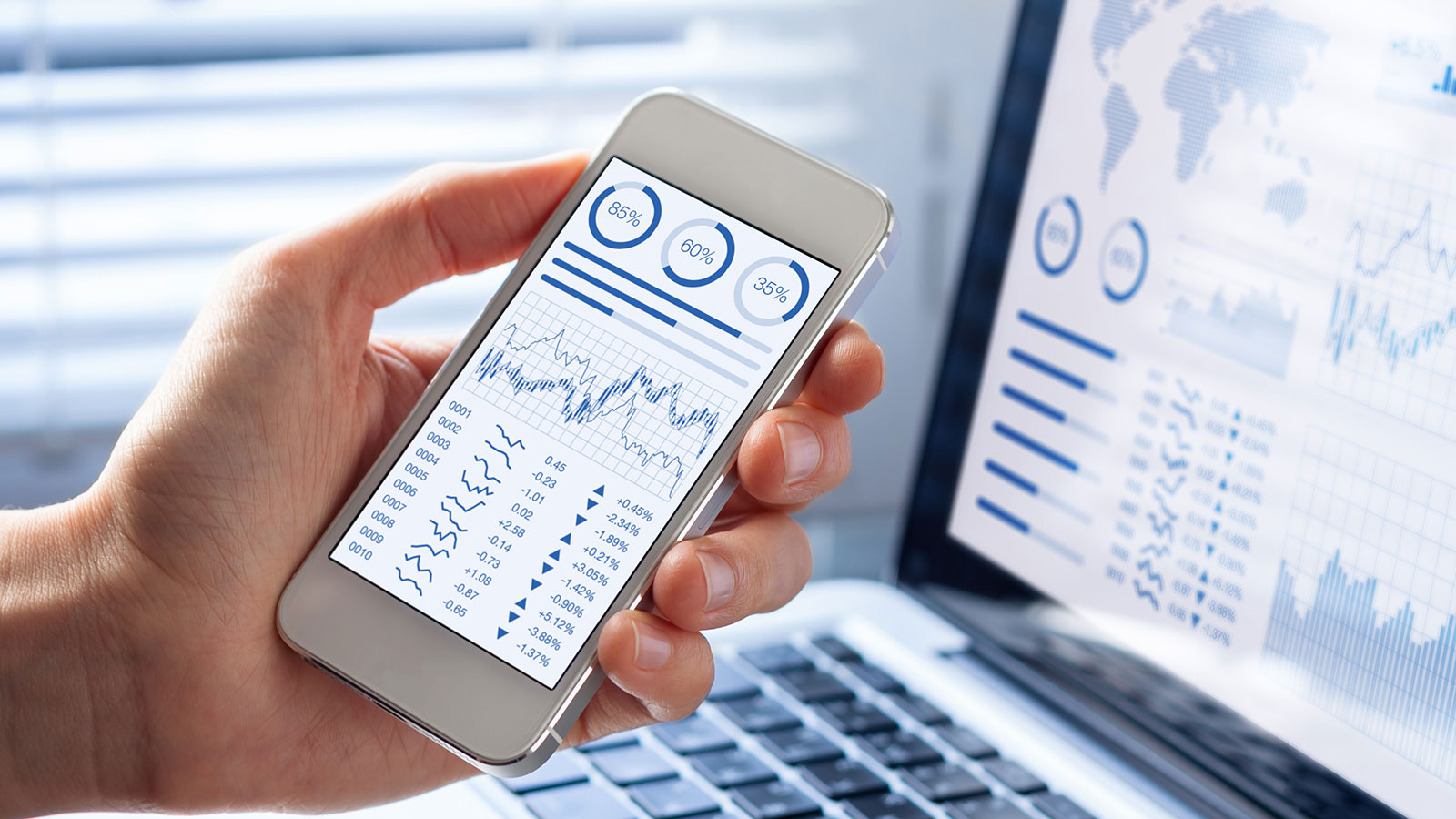
When built with intention, dashboards can provide a more useful forward-looking view. They can be powerful tools for translating data into real-time insight and immediate action.
Here’s what separates a dashboard that just looks good from one that works for your organization:
- Real-time data feeds that ensure decisions are based on accurate, up-to-the-minute information
- Highlights of only the key performance indicators that directly influence outcomes
- Interactive functionality that lets users explore, filter and drill down to uncover underlying causes and correlations
Example: A logistics team tracking delivery performance can use a real-time dashboard to identify route delays as they occur. Automated alerts allow dispatchers to reroute vehicles and maintain service commitments, turning data into operational resilience.
Tech That Turns Data Into Decisions
It takes the right technology framework to turn dashboards into decision tools. Here are some of the key features of effective dashboards:
- Real-time data integration that aggregates sources quickly and reliably
- Predictive analytics that anticipate trends and inform proactive decisions
- Workflow automation that triggers defined actions, reducing manual intervention
Example: A manufacturer uses IoT sensors to track production. When efficiency dips below a threshold, the dashboard triggers automated workflows: notifying maintenance, scheduling inspections and updating operations dashboards. This minimizes downtime and ensures continuous improvement.
Making Financial Reports More Actionable
Traditional financial reports often summarize past performance, but they can be redesigned to drive future decisions:
- Integrate operational metrics: Combine financial data with operational KPIs to understand the “why” behind the numbers.
- Use predictive forecasting: Apply machine learning models to project future cash flow, revenue and cost trends.
- Enable drill-down analysis: Let users explore variances by department, product line or region to uncover actionable insights.
- Automate exception alerts: Flag anomalies in spending, revenue or margins in real time to prompt immediate action.
Example: A retail CFO uses a dynamic financial dashboard that integrates POS data, inventory levels and customer behavior. When sales dip in a region, the dashboard highlights correlated inventory issues and triggers a restocking workflow, bridging finance and operations seamlessly.
Design That Drives Decisions
A dashboard’s job is to perform, not just look good. Here is how to make sure it does:
- Design with users in mind: Make it intuitive, clean and tailored to their needs.
- Align metrics with strategy: Every metric should connect directly to business objectives.
- Provide context: Benchmarks, targets and trend lines help users see whether performance is improving or requires attention.
- Use alerts that pop: Color codes, notifications and visual cues should draw focus to material changes.
- Make it mobile: Dashboards should perform seamlessly on any device, allowing decision-makers to stay informed wherever they are.
Example: A sales team sees a dip in product sales on their mobile dashboard. With mobile access, representatives can engage customers, adjust pricing or launch promotions before the next reporting cycle begins.
Frameworks for Defining Goals and KPIs
To build dashboards that truly drive decisions, start with a solid foundation:
- OKRs (Objectives and key results): Align dashboard metrics with strategic objectives and measurable outcomes.
- SMART goals: Ensure KPIs are Specific, Measurable, Achievable, Relevant and Time-bound.
- Balanced scorecard: Incorporate financial, customer, internal process, and learning and growth perspectives.
- North Star Metric (NSM) Framework: Focus on the single most important metric that drives long-term growth.
These frameworks help ensure that dashboards reflect what matters most and that every data point supports a strategic decision.
The Value of Real-Time Intelligence
Dashboards should be more than just data displays. When implemented effectively, they can be operational command centers. Whether you’re in logistics, manufacturing, sales or strategy, a well-built dashboard can turn insights into impact faster than ever. Contact us to find out how to build effective dashboards for your organization.
©2026
