
 Article
 Brochure
 Executive Resource
 Insight Hub
 Ext. Publication
 Video
VideoSuccess Story: How a State Correctional System Built a Culture of Continuous Improvement

Never miss a thing.
Sign up to receive our insights newsletter.
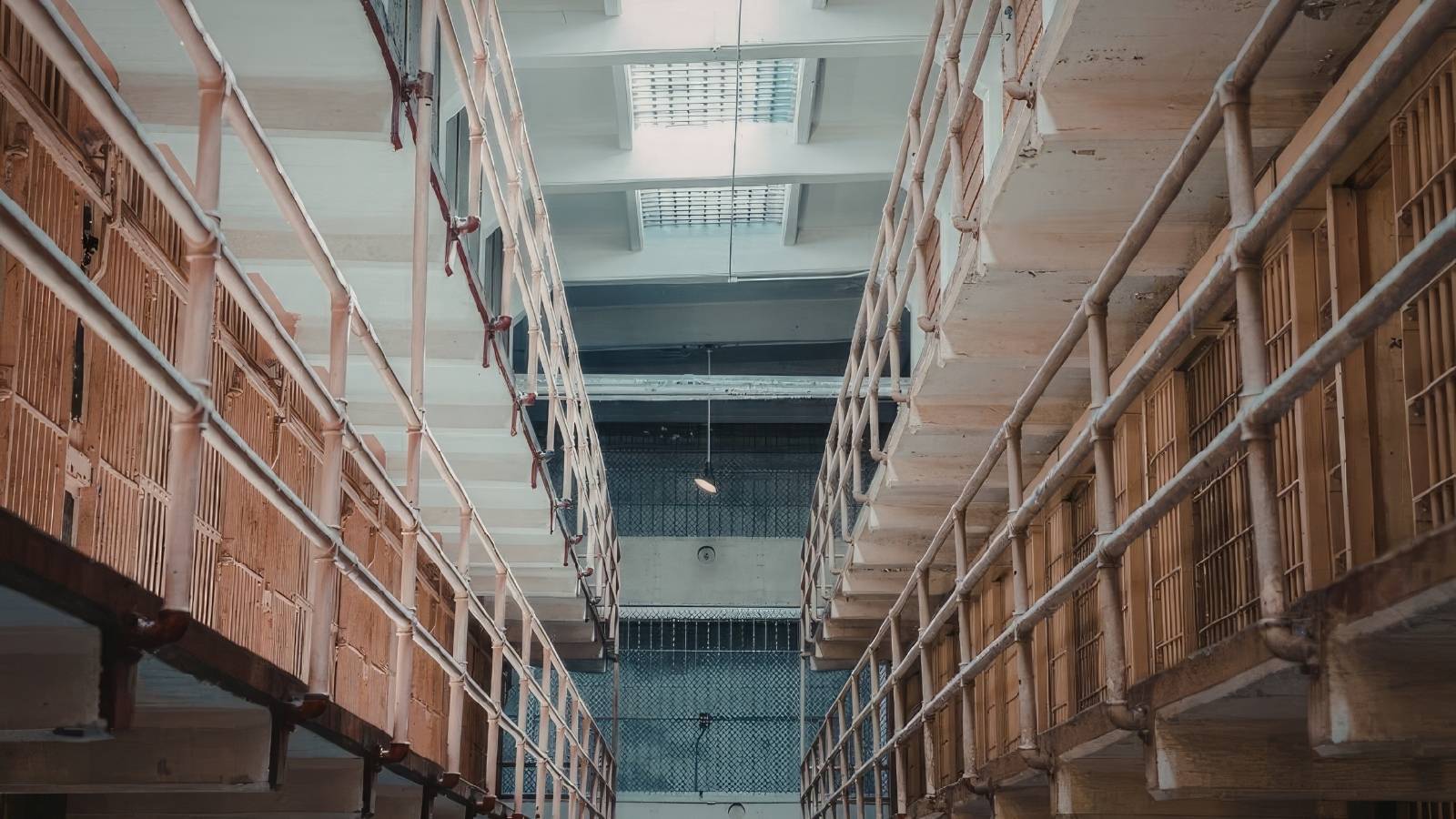
The Client
One of the nation’s largest state correctional systems oversees 10 prison complexes, 53 housing units and more than 9,000 employees. Beyond maintaining safe and secure facilities, the agency is responsible for rehabilitation programs designed to reduce recidivism and prepare inmates for successful reentry into their communities. As a public agency serving thousands of employees, inmates and state residents, the organization needed an effective way to improve operational performance while increasing accountability.
The Challenge
Governor-directed reforms required state agencies to adopt proven business practices and demonstrate measurable performance improvements. At the same time, the correctional system faced significant challenges, including rising recidivism rates, double-digit vacancy rates for correctional officers, lengthy administrative processes and inconsistent visibility into operational performance.
Leadership recognized that isolated improvement projects would not produce sustainable change. The agency needed a comprehensive management framework that could connect strategic priorities to daily operations, engage employees at every level and provide leaders with timely information for decision-making.
The Process
The agency worked with Mass Ingenuity, now part of Weaver, to implement the Results Management System™, creating an enterprise-wide approach to performance management and continuous improvement.
The engagement began with the development of a Fundamentals Map® that translated the agency’s mission and strategic priorities into a clear framework of measurable objectives and outcomes. Enterprise scorecards and performance dashboards provided leaders with visibility into key operational and rehabilitation measures, while structured review processes established clear accountability throughout the organization.
The approach extended far beyond executive reporting. Employees across 10 prison complexes participated in daily and weekly performance huddles, regular problem-solving discussions and continuous improvement activities. Frontline employees gained a clearer understanding of how their work contributed to agency goals, while leaders at every level used the same performance framework to identify barriers, address emerging issues and accelerate decision-making.
Comprehensive change management and leadership coaching reinforced adoption across the organization, helping create a shared culture focused on performance, accountability and results.
The Deliverables
The implementation produced measurable improvements across several critical operational and rehabilitation functions while establishing a sustainable management system that continues to support performance improvement.
Key outcomes included:
- 50% reduction in use-of-force packet processing time, accelerating investigations and administrative reviews.
- 20% reduction in average detention days, improving operational efficiency and reducing unnecessary delays.
- Increase in high-risk, high-need rehabilitation program completion rates from 86% to 95%, improving program effectiveness and participant outcomes.
- Enterprise-wide adoption of a common performance management framework spanning more than 9,000 employees
- Improved visibility into operational performance, enabling leaders to identify issues sooner and respond more effectively.
Beyond the measurable operational improvements, the agency achieved a broader organizational transformation. Employees at all levels began using a common language of performance, accountability and continuous improvement. Leaders gained greater confidence in performance data and teams became more proactive in identifying opportunities to improve results.
The agency also established a sustainable management system that continues to guide decision-making, strengthen accountability and support ongoing improvement years after implementation.
What began as a response to external reform requirements evolved into a culture of continuous improvement that aligned strategy, performance and employee engagement across one of the nation’s largest correctional systems. Today, the agency is better equipped to improve operational effectiveness, strengthen rehabilitation outcomes and deliver greater accountability to state leaders, taxpayers and the communities it serves.
©2026
 Success Story