
 Article
 Brochure
 Executive Resource
 Insight Hub
 Ext. Publication
 Video
VideoFinancial Reporting Considerations for Real Estate Owners Investing in Digital Infrastructure

Never miss a thing.
Sign up to receive our insights newsletter.
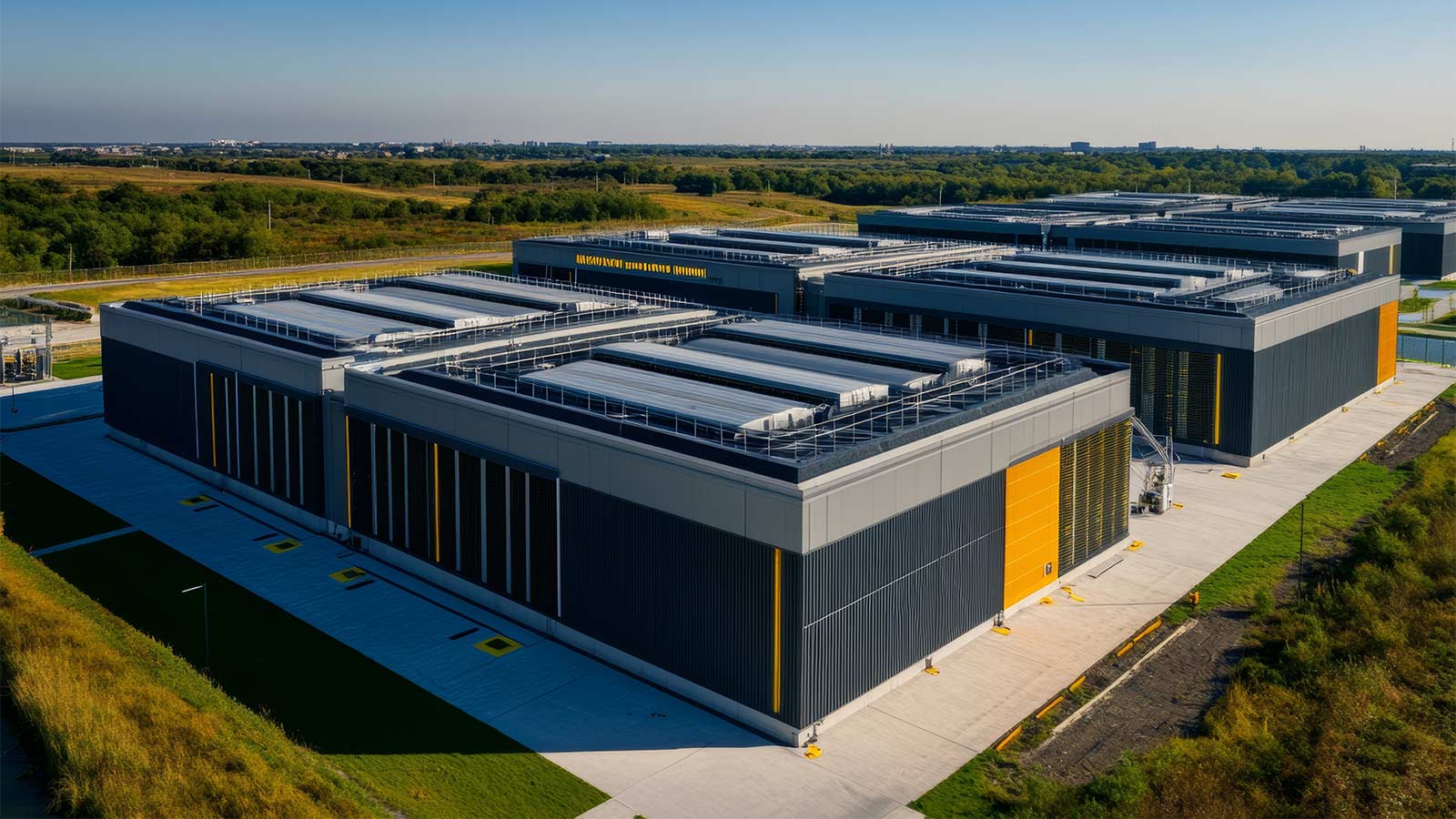
Data centers, co-location facilities, network infrastructure and other connectivity-driven assets are increasingly becoming part of real estate investment portfolios. These assets can present accounting issues that are very different from those associated with traditional commercial real estate.
Digital infrastructure has become a growing segment of commercial real estate investment. Demand for data centers and related infrastructure continues to grow as cloud computing, artificial intelligence (AI) and the broader digital economy require increasing amounts of computing capacity and connectivity.
Location plays a different role in digital infrastructure investments. Unlike traditional commercial real estate assets, data centers are often located based on access to power and connectivity infrastructure. As a result, the value proposition of a digital infrastructure asset is frequently driven by its strategic location within the broader communications network rather than the underlying real estate alone.
These assets can have significant barriers to entry, long-term customer commitments and infrastructure that is difficult to replicate. The underlying real estate is important, but so are the electrical, cooling, backup power and connectivity systems that make the facility usable. Those components can have different useful lives, replacement cycles and economic risks. These factors mean the financial reporting considerations can begin well before the first financial statement is prepared.
Key Questions Addressed in This Article
- How should digital infrastructure acquisitions be evaluated under ASC 805?
- How should owners account for significant infrastructure components with different useful lives?
- How can tax depreciation differ from financial statement reporting for digital infrastructure investments?
How Power and Connectivity Influence Digital Infrastructure Value
Location remains critical for digital infrastructure, but power and connectivity can be just as important as the underlying real estate. Access to reliable power, fiber networks, cloud on-ramps, telecommunications infrastructure and other connectivity can determine whether a particular site is viable. Redundancy and latency also matter, particularly for facilities supporting mission-critical applications.
These factors can influence investment decisions even in markets where traditional real estate costs would otherwise make a project less attractive. Southern California illustrates this dynamic. Land and power are not inexpensive, but the region’s large enterprise base, extensive telecommunications infrastructure and position as a major Pacific connectivity hub can create significant value for the right assets.
That distinction also matters from an accounting perspective because the economics of the investment may be driven by infrastructure that is not readily apparent from the building itself.
Asset Acquisition vs. Business Combination: Considerations for Digital Infrastructure Investments
One of the most important accounting considerations can arise at the time of acquisition. A transaction involving a digital infrastructure asset needs to be evaluated under ASC 805 to determine whether the investor acquired a business or acquired assets. That distinction can have a meaningful impact on the accounting.
If the transaction is a business combination, certain transaction costs are generally expensed as incurred. If it is an asset acquisition, qualifying transaction costs are generally capitalized into the assets acquired.
The distinction can become particularly important when acquiring a single facility or development site. The purchase price may ultimately need to be allocated among the building, land, electrical infrastructure, backup power systems, cooling equipment and other components based on their relative fair values.
Getting that analysis right at acquisition is important because it establishes the starting point for depreciation and can affect financial reporting for many years.
Componentization and Depreciation Considerations for Digital Infrastructure Assets
Digital infrastructure also highlights an issue that exists in traditional real estate but can become much more significant for digital infrastructure investments: componentization.
A facility may include substantial investments in electrical distribution systems, generators, UPS systems, cooling equipment and other specialized infrastructure. These assets may have useful lives that differ substantially from the underlying building, making it important to evaluate the components separately for financial reporting purposes.
Under U.S. GAAP, costs incurred to acquire, construct or improve the property generally need to be evaluated to determine whether they should be capitalized and how they should subsequently be depreciated.
Treating the entire facility as a single building can create financial reporting challenges when significant infrastructure components have different useful lives and replacement cycles. The objective is not to create as many asset categories as possible. It is to appropriately identify components that are significant enough, and have sufficiently different useful lives or economic characteristics, to warrant separate consideration.
In addition, investors should be mindful that some digital infrastructure components may have economic useful lives that are shorter than might be expected based solely on their physical durability. Rapid advances in computing technology, power requirements, cooling technologies and equipment efficiency can accelerate obsolescence and drive replacement cycles well before an asset is physically worn out. As a result, management may need to carefully evaluate whether certain infrastructure assets should be depreciated over shorter periods than traditional building systems to reflect the pace of technological change and expected future upgrades.
The analysis becomes important for facilities that undergo significant upgrades as computing requirements evolve since changes to electrical, cooling or other infrastructure may have different useful lives and replacement cycles than the original building.
Book and Tax Depreciation Considerations for Digital Infrastructure Assets
The tax treatment of digital infrastructure can also differ significantly from its financial statement treatment. Many facility components may qualify for shorter tax recovery periods than the underlying building. A cost segregation study can therefore be particularly valuable in identifying assets that may qualify for accelerated tax depreciation.
The permanent 100% additional first-year depreciation provisions enacted under the One Big Beautiful Bill Act (OBBBA) have also increased the potential importance of tax depreciation planning for qualifying property.
For investors, however, tax depreciation and book depreciation serve different purposes. Accelerated tax depreciation does not change the appropriate financial statement useful life, capitalization or componentization analysis. Keeping the two frameworks distinct can help investors understand both the tax benefits associated with an asset and its financial statement impact.
Key Financial Reporting Considerations for Digital Infrastructure Investments
Many of the financial reporting concepts applicable to digital infrastructure investments are familiar, but the combination of acquisition accounting, componentization and tax planning can create added complexity. Organizations should pay particular attention to:
- Classifying acquisitions as either a business combination or asset acquisition under ASC 805
- Allocating purchase price among land, building and specific infrastructure assets
- Establishing appropriate useful lives and depreciation methods for significant infrastructure components
- Understanding differences between financial statement depreciation and tax depreciation strategies
How Weaver Can Help
Weaver works with real estate owners and investors to evaluate the financial reporting considerations associated with digital infrastructure investments. Our team can help organizations evaluate acquisition accounting, componentization and the relationship between financial reporting and tax depreciation strategies throughout the investment life cycle. Contact us to learn more.
©2026
 Podcast