
 Article
 Brochure
 Executive Resource
 Insight Hub
 Ext. Publication
 Video
Fuel Price Gouging Laws: What Businesses Need to Know

Never miss a thing.
Sign up to receive our Tax News Brief newsletter.
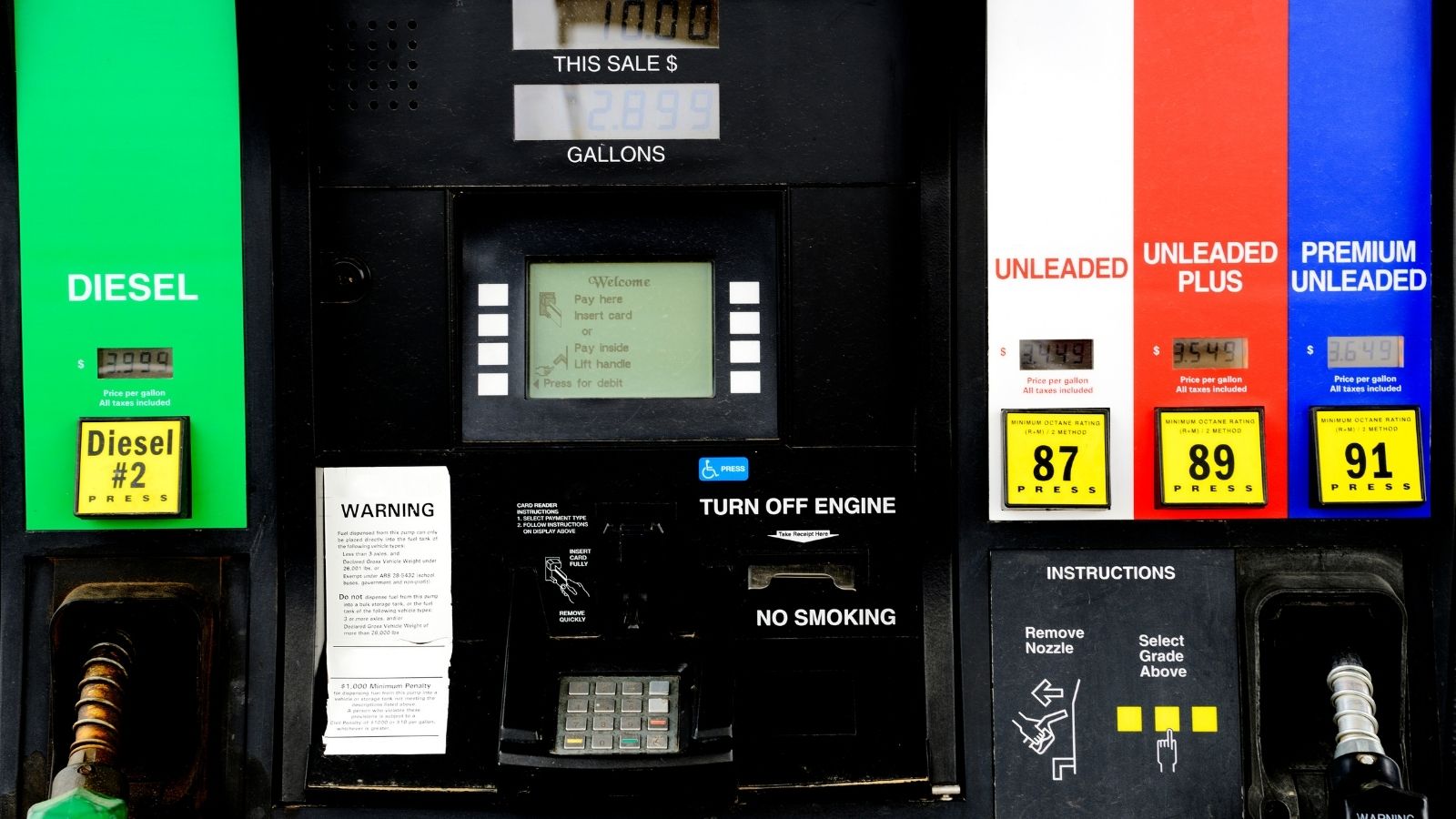
Fuel price-gouging laws vary widely across the United States, creating compliance challenges for retailers, marketers, distributors and other fuel businesses operating in multiple jurisdictions. Many state laws take effect only after a governor or other authorized official declares an emergency, while others rely on broader market conditions or consumer protection standards.
The rules also differ in how they define prohibited price increases, which products are covered, what defenses are available and what penalties may apply. For fuel businesses, that makes it important to understand not only how prices are set, but also when state requirements are triggered and what documentation may be needed to support price changes.
How Price-Gouging Laws Vary by State
Most state price-gouging laws are event-driven and take effect only after a specified governmental declaration or finding. These laws typically define the covered period, applicable goods and services, price thresholds and defenses for documented cost increases.
Oregon, for example, prohibits certain unconscionably excessive prices for essential consumer goods and services after the governor declares an abnormal disruption of the market. A price increase of 15% or more may be subject to review, although statutory defenses may apply.
Other states use broader regulatory tools that do not depend solely on an emergency declaration. California’s Gas Price Gouging and Transparency Law (SB X1-2), for example, expanded petroleum-industry reporting and oversight and authorized the California Energy Commission to establish a maximum gross gasoline refining margin and associated penalty. The framework focuses primarily on petroleum-market transparency and refinery-level oversight rather than routine enforcement against individual retail stations. In August 2025, the California Energy Commission voted to deprioritize implementation of the maximum gross gasoline refining margin and penalty for at least five years while continuing to collect and analyze refinery data.
General consumer protection laws may provide another basis for reviewing pricing. Michigan and Ohio, for example, prohibit certain unfair, deceptive, or unconscionable practices in consumer transactions. Depending on the jurisdiction and circumstances, regulators may examine whether prices are substantially above comparable market prices or otherwise reflect an unconscionable practice. The applicable standards, defenses and penalties vary by state.
Because fuel-pricing requirements vary significantly by state, businesses should evaluate pricing decisions under the rules applicable to each jurisdiction rather than relying on a single nationwide standard.
How Penalties Vary by State
Civil penalties and enforcement triggers vary significantly by jurisdiction. The following examples illustrate how potential per-violation penalties and the circumstances that trigger enforcement can differ by state.
| State | ||
|---|---|---|
| Illinois | Market-Driven | $50,000 |
| Iowa | Disaster | $40,000 |
| New York | Abnormal disruption of the market | $25,000 |
| Colorado | Disaster | $20,000 |
| Texas | Disaster | $10,000¹ |
¹ Texas law authorizes an additional civil penalty of up to $250,000 if the violation was calculated to acquire or deprive money or property from a consumer who was 65 years of age or older.
Key Takeaway
Fuel-pricing requirements vary across the United States, but the practical compliance considerations are similar: businesses should be prepared to explain and support material price changes.
A strong pricing governance framework should identify who has pricing authority, document supplier and operating-cost changes, monitor applicable emergency declarations and market conditions, establish procedures for reviewing exceptions and retain relevant records. Because enforcement standards and available defenses differ by jurisdiction, businesses should involve appropriate operational, compliance and legal personnel when unusual market conditions arise.
How Weaver Can Help
Fuel retailers, marketers, distributors and refiners should periodically assess whether their pricing controls and documentation align with applicable state requirements. Weaver’s Energy Compliance Services, Risk Advisory and Motor Fuels and Excise Tax professionals can help organizations assess pricing controls, strengthen documentation practices and prepare for regulatory inquiries. Contact us to learn more.
©2026
