
 Article
 Brochure
 Executive Resource
 Insight Hub
 Ext. Publication
 Video
Lease Accounting and Impairment Considerations for Digital Infrastructure Investments

Never miss a thing.
Sign up to receive our insights newsletter.
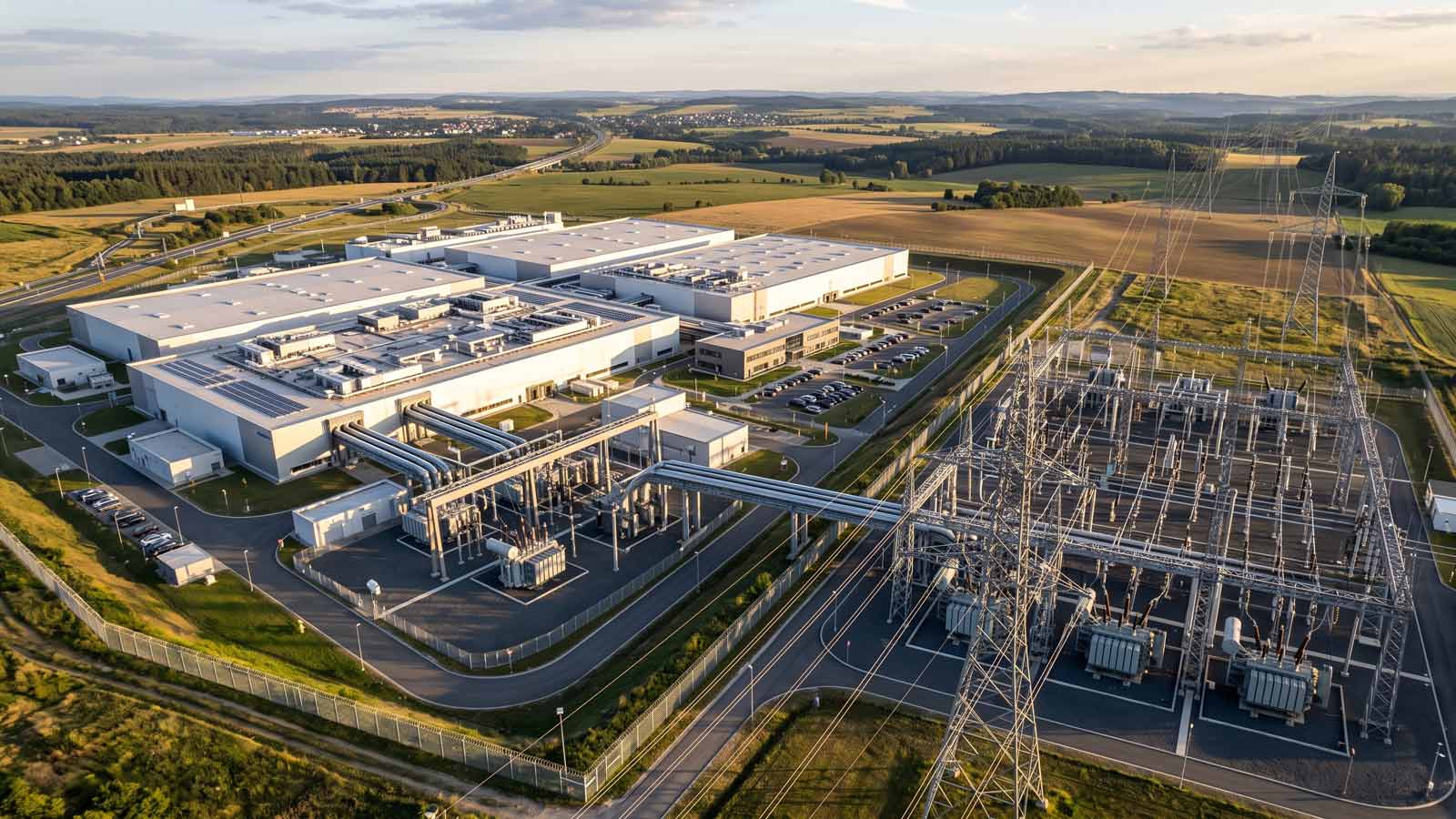
Data centers, colocation facilities and other digital infrastructure assets often involve accounting considerations that extend throughout the life of the asset. Once an asset is in operation, real estate owners must also evaluate lease arrangements, tenant-owned infrastructure and whether changes in technology, tenant needs or market conditions could affect the asset’s value.
Lease accounting and impairment analyses can be more complex for digital infrastructure assets because contractual arrangements often include significant service components, facility infrastructure and long-term tenant investments. Understanding these issues can help owners evaluate lease accounting requirements under ASC 842 and assess potential impairment indicators under ASC 360 as assets and tenant needs evolve.
Key Questions Addressed in This Article
- How can data center lease arrangements affect accounting?
- What lease and nonlease components should owners evaluate under ASC 842?
- What accounting considerations arise from tenant-owned infrastructure?
- How can technology changes affect the value and expected use of a facility?
- What impairment considerations should owners evaluate under ASC 360?
How Data Center Lease Arrangements Can Affect Accounting Analyses
A data center tenant may invest substantial amounts in servers, network equipment, racks, cabling and other computing infrastructure. In some facilities, the tenant’s investment inside the leased space can rival or exceed the value of the underlying real estate improvements.
Data center customers also tend to make infrastructure investments that are expensive and challenging to relocate. As a result, lease terms are often longer than those seen in traditional office, retail or industrial properties. Both landlords and tenants may invest substantial capital to bring power, cooling and connectivity infrastructure online.
From an accounting perspective, understanding the respective ownership rights of the landlord and tenant is important. Lease agreements frequently address issues such as access to power, cooling capacity, connectivity infrastructure, expansion rights, equipment removal obligations and restoration requirements. These provisions can affect how contractual rights, obligations and services are evaluated for accounting purposes.
Because a data center arrangement can involve more than the right to use physical space, owners should consider whether the contract also includes services or other components that require separate accounting evaluation.
Lease and Service Arrangement Considerations Under ASC 842
In addition to providing physical space, operators may supply power, cooling, monitoring services, connectivity services, security services and operational support. As a result, owners may need to evaluate whether contractual arrangements contain lease components, nonlease service components or a combination of both.
This analysis is particularly important when customers are paying for more than occupancy rights. Reliable access to power, cooling and connectivity may be integral to the arrangement, while related services can require separate consideration under ASC 842.
Contracts frequently include detailed service-level commitments related to power availability, redundancy, cooling performance and uptime requirements. If a facility experiences a prolonged power outage or service disruption, the landlord may be required to provide rent abatements, service credits, liquidated damages or other financial concessions.
Owners should evaluate whether contractual arrangements include significant nonlease service components exist, and how those components affect the accounting analysis under ASC 842.
The Challenge of Tenant-Owned Infrastructure
Many data center facilities contain significant tenant-owned infrastructure. Tenants frequently install servers, networking equipment, cabling and other technology assets. These investments can be substantial and may remain in place for many years.
As lease terms approach expiration, the disposition of tenant-owned equipment can become an important consideration. In some situations, equipment may be removed and relocated. In others, certain infrastructure components may be abandoned, sold, transferred or left in place because removal is not economically practical.
By the time a long-term lease reaches the end of its initial term, portions of the tenant’s infrastructure may no longer be economically useful. Equipment may have become obsolete, replacement technologies may have emerged or relocation costs may exceed the remaining value of the assets.
Lease agreements may contain provisions addressing restoration obligations, ownership transfers, equipment disposition requirements or end-of-term removal obligations. These provisions can affect future redevelopment costs, capital expenditure planning and estimates used in evaluating future cash flows.
How Technology Changes Can Affect Asset Values
Changes in computing density, power requirements, cooling demands and connectivity needs can create pressure on existing facilities and infrastructure. A facility that was highly desirable several years ago may require significant upgrades to remain competitive as customer needs evolve. As a result, owners may need to evaluate whether existing infrastructure can continue to meet those needs over time.
Owners should understand that even when they do not own the underlying technology equipment, changes in technology can still influence the expected future use and economics of the real estate itself. For example, changes in tenant requirements may affect how a facility is used, the upgrades needed to remain competitive or the cash flows the asset is expected to generate. These changes may also be relevant when evaluating whether an asset has indicators of impairment under ASC 360.
Impairment Considerations Under ASC 360
Digital infrastructure owners should consider both real estate and technology-related factors when evaluating impairment indicators under ASC 360. Like other long-lived real estate assets, digital infrastructure facilities require ongoing evaluation for events or changes in circumstances that may indicate that the carrying amount of an asset is no longer recoverable.
Potential indicators may include:
- Significant tenant departures
- Sustained declines in facility utilization
- Adverse changes in market conditions
- Unexpected increases in operating costs
- Technological changes that materially affect facility competitiveness
- Significant changes in the expected use of the asset
For digital infrastructure facilities, these indicators may affect expected future cash flows. Future tenant renewal decisions, changing power requirements, increasing cooling demands and uncertainty surrounding tenant-owned infrastructure may all affect the assumptions used to project those cash flows.
For example, a facility may remain physically functional while changing tenant requirements or technology may reduce its expected use or require significant additional investment. These changes may affect the cash flow projections used in an impairment analysis.
When impairment indicators are present, the next step is to evaluate whether the asset’s carrying amount is recoverable under ASC 360 and, if it is not, determine the asset’s fair value.
Key Lease Accounting and Impairment Considerations for Digital Infrastructure Assets
Lease accounting and impairment analyses require owners to evaluate contractual arrangements, tenant-owned infrastructure and changes in technology that may affect future cash flows and asset values.
Organizations should pay particular attention to:
- Identifying lease and nonlease components within digital infrastructure arrangements
- Understanding contractual rights and obligations related to power, cooling, connectivity and service-level commitments
- Evaluating ownership, disposition and restoration requirements associated with tenant-installed equipment
- Assessing end-of-lease uncertainties and their potential effect on future cash flows
- Monitoring potential impairment indicators under ASC 360, including changes in tenant demand, technology requirements and facility competitiveness
These considerations can help owners identify accounting issues as lease terms, tenant requirements and technology change throughout the life of the investment.
How Weaver Can Help
Digital infrastructure arrangements can require careful evaluation as lease terms, tenant requirements and technology change. Weaver’s team can help real estate owners and investors evaluate lease and nonlease components under ASC 842, review contractual provisions and assess potential impairment indicators under ASC 360. Contact us.
©2026
