
 Article
 Brochure
 Executive Resource
 Insight Hub
 Ext. Publication
 Video
VideoCourt Ruling May Open Door to COVID-Era Tax Penalty Refund Claims, But Time Is Limited


Never miss a thing.
Sign up to receive our Tax News Brief newsletter.
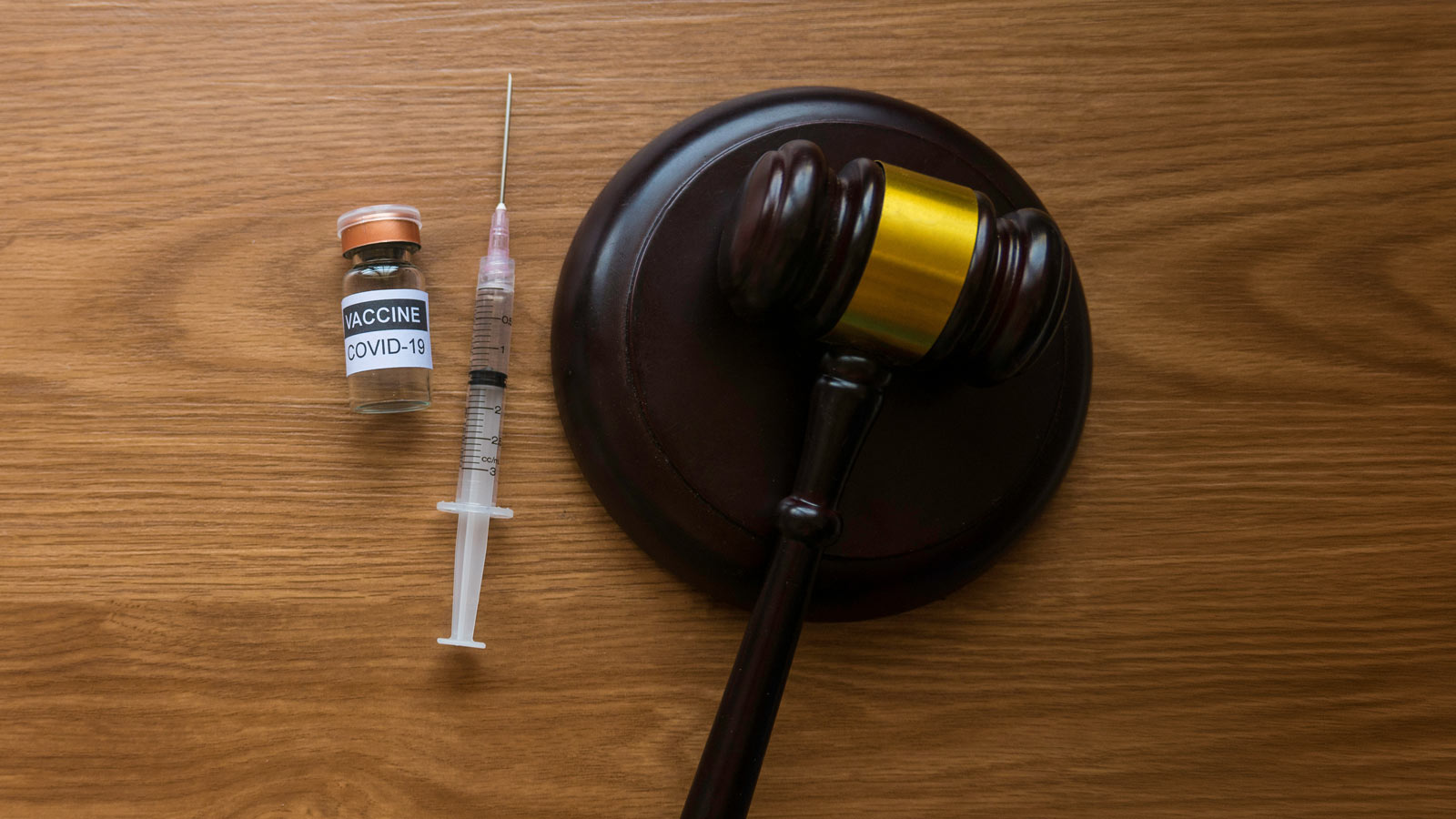
A recent federal court decision is prompting renewed discussion around whether certain taxpayers may still have opportunities to recover penalties tied to federal tax filings during the COVID-19 pandemic disaster period.
While the ruling itself addresses the timing of a refund lawsuit, its broader interpretation of the law raises important questions about whether some late-filing and late-payment penalties assessed for tax years 2020 through 2022 may have been improperly imposed.
Impacted taxpayers represent a broad cross-section of the public, including individuals, small businesses, large corporations, nonprofits, estates and trusts. The issue reaches taxpayers with obligations related to income, employment, estate, gift and excise taxes.
For taxpayers who may be impacted, timing matters. In many cases, protective refund or abatement claims may need to be filed by July 10, 2026, to preserve potential rights while the legal landscape continues to evolve.
Why This Matters
In Kwong v. United States, a recent decision from the United States Court of Federal Claims interpreted the mandatory COVID disaster relief provisions under Internal Revenue Code (IRC) Section 7508A(d) to extend certain federal tax postponement periods through July 10, 2023.
The court concluded that the mandatory postponement period tied to the federally declared COVID disaster ran from January 20, 2020, through July 10, 2023, based on the formal end of the national emergency.
Although the case itself involved the deadline for filing a refund lawsuit, the court’s reasoning has sparked broader discussion about how the same statutory interpretation may apply to other federal tax deadlines, including return filing requirements and the assessment of certain penalties.
Potential Implications for Taxpayers
Some tax practitioners and commentators believe the court’s interpretation could support arguments that certain returns originally due during the COVID disaster period may be treated differently for penalty purposes.
This interpretation may impact taxpayers who:
- Paid or were assessed late-filing penalties and/or interest for 2020, 2021 or 2022 tax years
- Paid or were assessed late-payment penalties and/or interest during the COVID disaster period
- Filed returns after original or extended due dates
- May have refund opportunities based on amended return timing due to an extended statute of limitations
Importantly, the court did not rule that taxpayers are automatically entitled to penalty and interest refunds, nor has the IRS adopted this interpretation administratively.
At this stage, the issue remains unresolved and could face additional litigation or IRS scrutiny.
However, taxpayers with meaningful exposure or refund potential may want to evaluate whether filing a protective refund claim is appropriate before applicable statutes expire.
Why July 10 Is Important
Under the court’s interpretation, July 10, 2023 marked the end of the mandatory COVID disaster postponement period for tax purposes. As a result, July 10, 2026 could be a critical filing deadline for certain taxpayers seeking to preserve potential refund rights related to penalties or other timing-related issues. Waiting may increase the risk that otherwise viable claims become time-barred.
Because refund statute calculations can vary based on filing dates, payments and specific taxpayer circumstances, taxpayers should not assume they qualify or that additional time remains available.
What Is a Protective Refund Claim?
A protective refund claim is a filing used to preserve a taxpayer’s rights while a legal or administrative issue remains unresolved. In this situation, a protective claim generally would not assert that relief is guaranteed. Instead, it would preserve the taxpayer’s position pending future judicial decisions, IRS guidance or other developments related to the interpretation of the COVID disaster relief rules.
Protective claims are often used when:
- The legal outcome remains uncertain.
- Statute deadlines are approaching.
- Potential refund amounts may be significant.
Taxpayers That May Want to Evaluate Action
Taxpayers may want to evaluate their situation with their tax advisors if they:
- Paid failure-to-file or failure-to-pay penalties during 2020-2022
- Had filing or payment deadlines that fell during the COVID disaster period
- Believe amended return refund opportunities may exist
- Have significant dollar exposure tied to IRS penalties
The analysis can be highly fact-specific, particularly where extensions, amended returns or prior IRS notices are involved.
Key Takeaways
A recent federal court decision interpreted mandatory COVID disaster relief as extending certain federal tax postponement periods through July 10, 2023. While the ruling directly addressed refund lawsuit timing, broader implications are now being evaluated across the tax community. The IRS has not adopted this interpretation for penalty relief purposes, and the issue remains unsettled. As a result, taxpayers with potential exposure may want to consider filing protective refund claims before July 10, 2026.
How Weaver Can Help
Taxpayers should consider evaluating their position well before the July 10 deadline as filing windows may close soon. Weaver’s tax professionals are actively monitoring developments related to the case’s decision and the potential implications for taxpayers. Our team can help assess whether refund opportunities may exist, evaluate applicable statute deadlines and provide guidance on protective refund claim considerations, including potential risks and technical support for filing positions. Contact us today.
©2026

